L'occasioneThe occasion
100
anni · centenario Unità d'Italiayears · centenary of Italian Unity
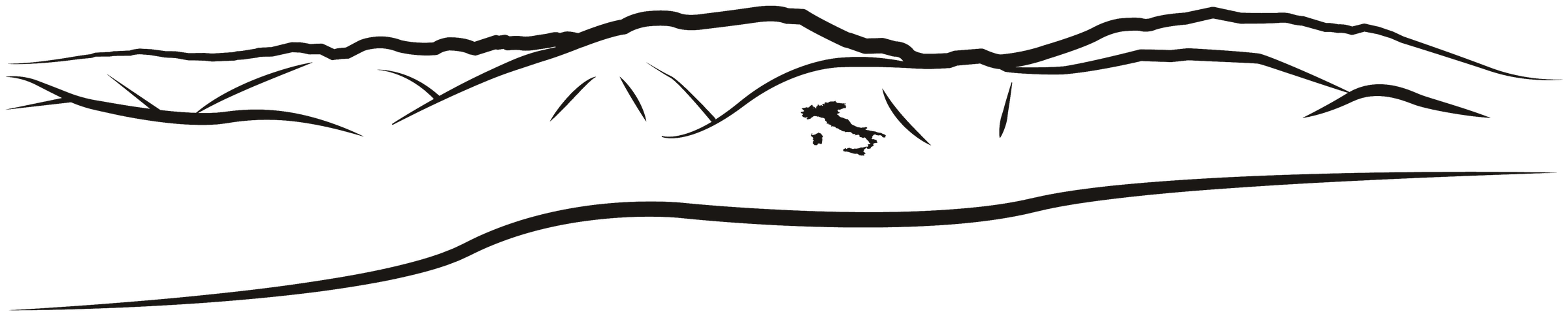
Il bosco che disegna la penisola italiana sul fianco del Poggio di Croce, sopra il Pian Grande. Piantato nel 1961 per il centenario dell'Unità: cos'è, perché sta lì, dove si trova e da dove si fotografa.The forest that draws the Italian peninsula on the flank of Poggio di Croce, above the Pian Grande. Planted in 1961 for the centenary of Italian Unity: what it is, why it is there, where to find it and where to photograph it.
Su questa pagina distinguiamo ciò che è verificabile da ciò che è memoria locale. Che il bosco riproduca la forma dell'Italia sul Poggio di Croce, e che sia fatto di conifere sempreverdi, si vede e si legge in fonti concordi. L'anno (1961), il legame con il centenario dell'Unità e il nome del ministro Mariano Rumor arrivano invece dalla ricostruzione tramandata sul territorio: li riportiamo come tradizione documentata, non come archivio ufficiale che abbiamo consultato. Non pubblichiamo coordinate GPS del bosco, perché non ne abbiamo di verificate: usa la posizione descritta e i canali ufficiali per l'accesso ai Piani. On this page we separate what is verifiable from what is local memory. That the forest reproduces the shape of Italy on Poggio di Croce, and that it is made of evergreen conifers, is visible and reported by sources that agree. The year (1961), the link to the centenary of Italian Unity and the name of minister Mariano Rumor come instead from the account handed down locally: we report them as documented tradition, not as an official archive we have consulted. We publish no GPS coordinates for the forest, because we have none we can verify: use the position described here and the official channels for plateau access.
Sul fianco del Poggio di Croce, il rilievo che chiude il Pian Grande verso est, qualcuno ha piantato gli alberi in modo che, guardando da lontano, disegnino la sagoma dell'Italia. Non è una formazione naturale né un caso di pareidolia: è un rimboschimento voluto, un profilo di conifere scure che stacca sul verde e sull'oro dell'altopiano.On the flank of Poggio di Croce, the ridge that closes the Pian Grande to the east, someone planted the trees so that, seen from afar, they draw the outline of Italy. It is neither a natural formation nor a trick of the eye: it is a deliberate afforestation, a profile of dark conifers that stands out against the green and gold of the plateau.
La storia che il territorio si tramanda è precisa: nel 1961, l'anno del centenario dell'Unità d'Italia (1861-1961), il Pian Grande ospitò la X Festa della Montagna. Per l'occasione fu deciso di piantare centinaia di conifere disegnando la forma della penisola, come monumento vivo al primo secolo della Nazione. La ricostruzione più diffusa lega quella scelta al ministro Mariano Rumor, con l'aggiunta di una cappella alla base del bosco.The story the area hands down is precise: in 1961, the year of the centenary of Italian Unity (1861-1961), the Pian Grande hosted the 10th Festa della Montagna. For the occasion it was decided to plant hundreds of conifers tracing the shape of the peninsula, as a living monument to the Nation's first century. The most widespread account ties that choice to minister Mariano Rumor, with a chapel added at the foot of the wood.
Va detto con onestà: anno, occasione e nomi appartengono alla memoria locale, concorde ma non un documento d'archivio che abbiamo aperto. Ciò che chiunque può verificare, invece, è il bosco stesso: esiste, ha la forma dell'Italia, e a Castelluccio è diventato un simbolo tanto quanto la fioritura.It must be said honestly: year, occasion and names belong to local memory, consistent but not an archival record we have opened. What anyone can verify, though, is the wood itself: it exists, it has the shape of Italy, and at Castelluccio it has become as much a symbol as the bloom.
Dati riportati da fonti locali concordi. Dove non c'è conferma d'archivio, lo diciamo apertamente.Figures reported by consistent local sources. Where there is no archival confirmation, we say so openly.
Il bosco sta sul versante del Poggio di Croce, il monte che chiude il Pian Grande verso est e la cui vetta è un noto belvedere a 1.832 metri. Il rimboschimento non è in cima: occupa le pendici basse, attorno ai 1.450 metri, poco sopra il filo dell'altopiano, così che dal piano si alza sul fianco della montagna.The wood sits on the slope of Poggio di Croce, the mountain that closes the Pian Grande to the east and whose summit is a well-known viewpoint at 1,832 metres. The afforestation is not at the top: it occupies the lower slopes, around 1,450 metres, just above the edge of the plateau, so that it rises against the mountainside from the plain.
Alla base del bosco, secondo il racconto locale, sorge una cappella, a pochi metri dalla strada che attraversa il Pian Grande. È il riferimento più concreto per collocarlo: chi percorre l'altopiano lo ha sopra la testa, sul lato di Poggio di Croce, dalla parte opposta rispetto al borgo di Castelluccio arroccato sul suo colle.At the foot of the wood, according to local telling, stands a chapel, a few metres from the road that crosses the Pian Grande. It is the most concrete way to place it: whoever drives the plateau has it overhead, on the Poggio di Croce side, opposite the village of Castelluccio perched on its own hill.
Non pubblichiamo coordinate GPS puntuali del bosco: non ne abbiamo di verificate e una cifra sbagliata qui varrebbe meno di niente. Per orientarti usa la posizione del Poggio di Croce e le strade dei Piani.We publish no pinpoint GPS for the wood: we have none we can verify, and a wrong figure here would be worth less than nothing. To orient yourself, use the position of Poggio di Croce and the plateau roads.
→ Poggio di Croce su Google Maps→ Poggio di Croce on Google Maps
Il link apre l'area del Poggio di Croce, non un punto esatto del bosco: la sagoma si riconosce da lontano, non stando sotto gli alberi.The link opens the Poggio di Croce area, not an exact point of the wood: the shape is recognised from afar, not from under the trees.
Qui sta il trucco: la forma dell'Italia si legge solo da lontano e da un po' più in alto del bosco stesso. Stando sotto gli alberi vedi una massa di pini, non un disegno. Per riconoscere la penisola serve prendere le distanze e guadagnare quota rispetto al versante.Here is the catch: the shape of Italy reads only from afar and a little higher than the wood itself. Standing under the trees you see a mass of pines, not a drawing. To make out the peninsula you need distance and some height above the slope.
I punti che funzionano sono quelli che dominano il Pian Grande dal lato opposto: le strade che scendono verso l'altopiano e i belvedere sopra il piano, dove l'occhio abbraccia tutto il fianco del Poggio di Croce. Le immagini più famose e nitide della sagoma, però, sono quelle dall'alto — da drone o satellitari: è lì che il profilo dell'Italia si chiude perfetto.The spots that work are those that overlook the Pian Grande from the opposite side: the roads descending toward the plateau and the viewpoints above the plain, where the eye takes in the whole flank of Poggio di Croce. The most famous, sharpest images of the shape, though, are those from above — by drone or satellite: that is where the outline of Italy closes perfectly.
La stagione conta. Con la neve il bosco scuro sul bianco è al massimo del contrasto e la forma salta all'occhio; d'estate si confonde di più nel verde, ma resta visibile perché i pini restano scuri anche quando l'altopiano è chiaro. Verifica in loco l'angolo migliore: la luce del mattino e del tardo pomeriggio aiuta a staccare il profilo.Season matters. Under snow the dark wood on white is at maximum contrast and the shape leaps out; in summer it blends more into the green, but stays visible because the pines remain dark even when the plateau is pale. Check on site for the best angle: morning and late-afternoon light help lift the profile.
Il volo dei droni nei parchi nazionali è regolamentato: verifica le regole del Parco Nazionale dei Monti Sibillini e le norme ENAC prima di far alzare qualcosa.Drone flights in national parks are regulated: check the Sibillini Mountains National Park rules and Italian ENAC regulations before putting anything in the air.
Il bosco è fatto di conifere, in prevalenza pino nero (Pinus nigra). Non è una scelta estetica: è una scelta pratica. Il pino nero è robusto, regge freddo, vento e terreni poveri, ed è tra le poche specie che a 1.450 metri, esposte come sono queste pendici, riescono ad attecchire davvero.The wood is made of conifers, mostly black pine (Pinus nigra). It is not an aesthetic choice but a practical one. Black pine is tough, it withstands cold, wind and poor soils, and it is among the few species that at 1,450 metres, on slopes this exposed, actually take root.
C'è poi il motivo per cui la forma si è conservata: sono sempreverdi. Un bosco di latifoglie, spoglio d'inverno, avrebbe perso il disegno per mesi. I pini invece tengono l'aghifoglia scura tutto l'anno, e così la sagoma dell'Italia resta leggibile in ogni stagione — con la neve, anzi, è più evidente che mai.Then there is the reason the shape has survived: they are evergreen. A broadleaf wood, bare in winter, would have lost its drawing for months. The pines instead keep their dark needles all year, so the outline of Italy stays legible in every season — and under snow it is clearer than ever.
L'impianto non fu facile: il clima rigido e i venti misero a dura prova le piante giovani. Col tempo il bosco ha attecchito ed è diventato parte dello skyline dei Piani, uno di quei dettagli che si notano solo quando qualcuno te li indica — e poi non riesci più a non vederli.Establishing it was not easy: the harsh climate and the winds tested the young trees hard. In time the wood took hold and became part of the plateaux's skyline, one of those details you notice only once someone points them out — and then can never unsee.
→ La fioritura del Pian Grande→ The bloom of the Pian Grande
→ Il Pian Grande, l'altopiano sotto il bosco→ The Pian Grande, the plateau below the wood
Si arriva ai Piani di Castelluccio con mezzi propri e ci si affaccia sul bosco dalle strade dell'altopiano: il Bosco Italia non è una meta a sé con un parcheggio dedicato, è un panorama che fa parte del Pian Grande. Nei weekend di fioritura ad accesso regolamentato (giugno-luglio) valgono le ordinanze del Comune di Norcia: parcheggi in quota, navette e limiti alla circolazione sul piano. Regole e tariffe cambiano ogni anno e non le riportiamo qui: le trovi sui canali ufficiali, poco prima della stagione.You reach the Castelluccio plateaux by your own vehicle and look onto the wood from the plateau roads: the Bosco Italia is not a destination in itself with its own car park, it is a view that is part of the Pian Grande. On regulated bloom weekends (June-July) the Comune di Norcia's ordinances apply: high-altitude parking, shuttles and limits on driving across the plain. Rules and fares change every year and we do not reproduce them here: you will find them on the official channels shortly before the season.
→ Accesso, navette e regole sui Piani→ Access, shuttles and rules on the plateaux
È un rimboschimento di conifere piantato in modo da riprodurre, visto dall'alto, la sagoma della penisola italiana. Si trova sulle pendici del Poggio di Croce, affacciate sul Pian Grande, nei Piani di Castelluccio di Norcia. Secondo le fonti locali fu realizzato nel 1961 per la X Festa della Montagna e per il centenario dell'Unità d'Italia.It is a conifer afforestation planted so as to reproduce, seen from above, the outline of the Italian peninsula. It lies on the slopes of Poggio di Croce, facing the Pian Grande, in the Castelluccio di Norcia plateaux. According to local sources it was created in 1961 for the 10th Festa della Montagna and the centenary of Italian Unity.
Le fonti locali concordano sul 1961, l'anno del centenario dell'Unità d'Italia (1861-1961). L'occasione fu la X Festa della Montagna, ospitata sul Pian Grande: la ricostruzione più diffusa attribuisce la scelta di far piantare le conifere a forma d'Italia al ministro Mariano Rumor, con la costruzione di una cappella alla base del bosco. È un fatto tramandato dalla memoria locale: date e nomi vanno considerati come tradizione documentata, non come un archivio ufficiale consultato.Local sources agree on 1961, the year of the centenary of Italian Unity (1861-1961). The occasion was the 10th Festa della Montagna, held on the Pian Grande: the most widespread account attributes the decision to plant the conifers in the shape of Italy to minister Mariano Rumor, with a chapel built at the foot of the wood. This is handed down by local memory: dates and names should be taken as documented tradition, not as an official archive we consulted.
Sulle pendici del Poggio di Croce (la cui vetta arriva a 1.832 m), il rilievo che chiude il Pian Grande di Castelluccio verso est. Il bosco sta sul versante basso, intorno ai 1.450 metri, poco sopra il piano dell'altopiano; una cappella lo affianca a pochi metri dalla strada che attraversa il Pian Grande.On the slopes of Poggio di Croce (whose summit reaches 1,832 m), the ridge that closes the Castelluccio Pian Grande to the east. The wood sits on the lower slope, around 1,450 metres, just above the plateau floor; a chapel stands beside it, a few metres from the road that crosses the Pian Grande.
La forma dell'Italia si legge bene solo da lontano e dall'alto: dal Pian Grande guardando verso il versante del Poggio di Croce, e ancora meglio dalle strade che salgono e dai punti panoramici che dominano l'altopiano. Le immagini più nitide della sagoma sono quelle da drone o satellitari. Da vicino, alla base, si vede la massa scura dei pini ma non il disegno d'insieme.The shape of Italy reads well only from afar and from above: from the Pian Grande looking toward the Poggio di Croce slope, and even better from the climbing roads and the viewpoints that overlook the plateau. The sharpest images of the outline are those by drone or satellite. Up close, at the foot, you see the dark mass of pines but not the overall drawing.
Conifere, in prevalenza pino nero (Pinus nigra): una specie robusta, resistente a freddo, vento e terreni poveri, adatta a una quota intorno ai 1.450 metri. Essendo sempreverdi, i pini tengono la forma riconoscibile tutto l'anno, e con la neve il profilo scuro sul bianco diventa ancora più netto.Conifers, mostly black pine (Pinus nigra): a hardy species, resistant to cold, wind and poor soils, suited to an elevation around 1,450 metres. Being evergreen, the pines keep the shape recognisable year-round, and under snow the dark profile on white becomes sharper still.
Si arriva ai Piani di Castelluccio con mezzi propri e ci si affaccia sul bosco dalle strade dell'altopiano. Nei weekend di fioritura ad accesso regolamentato (giugno-luglio) valgono le ordinanze del Comune di Norcia, con parcheggi in quota e navette: in quei giorni la circolazione sul Pian Grande cambia. Verifica sempre prima di partire sui canali ufficiali.You reach the Castelluccio plateaux by your own vehicle and look onto the wood from the plateau roads. On regulated bloom weekends (June-July) the Comune di Norcia's ordinances apply, with high-altitude parking and shuttles: on those days driving across the Pian Grande changes. Always check the official channels before you leave.
Il Bosco Italia è uno dei modi in cui i Piani di Castelluccio si raccontano: un gesto del 1961 che ancora disegna la penisola sul fianco della montagna. La guida completa al borgo, alla fioritura, alle escursioni e all'accesso resta la home di castelluccio.org.The Bosco Italia is one of the ways the Castelluccio plateaux tell their story: a gesture from 1961 that still draws the peninsula on the mountainside. The complete guide to the village, the bloom, the hikes and access remains the castelluccio.org home page.